

New eBooks
5 books
eBook
FREE
The Complete Guide to Growing Dahlias for Cut Flowers
Master the art of growing dahlias for cut flowers with this complete, step-by-step guide designed for hobby farmers and small-scale growers. Learn how to select the best dahlia varieties for cutting, prepare your soil across USDA zones 3 through 10, and implement proven planting and pinching techniques that maximize bloom production. This cut flower farming guide covers everything from tuber selection and seasonal timing to pest management, post-harvest handling, and building a profitable flower farm business. Whether you are starting your first dahlia bed or scaling up for market sales, this flower farm guide gives you the practical knowledge to grow stunning, long-lasting cut dahlias all season long.
Free

eBook
Future Unveiled
Future Unveiled: The Societal Impact of Emerging Technologies explores the transformative power of cutting-edge technologies and their profound implications for society. From artificial intelligence and quantum computing to biotechnology, blockchain, and renewable energy, this book examines how these advancements are redefining industries, challenging ethical norms, and reshaping our lives.
The book delves into artificial intelligence's integration into daily life, revolutionizing healthcare, finance, and education while raising concerns about data privacy, bias, and automation. It explores the quantum revolution's potential to transform cryptography, optimization, and scientific discovery, alongside the ethical dilemmas posed by gene editing in biotechnology. Blockchain’s promise of decentralization and transparency is weighed against its regulatory and environmental challenges, while renewable energy innovations point toward sustainable solutions for climate change.
Using historical context, Future Unveiled draws parallels to past industrial revolutions, shedding light on how societies adapted and thrived amid technological shifts. It highlights the ways emerging technologies intersect with politics, culture, and economic systems, emphasizing the risks of inequality and the digital divide. The narrative celebrates innovation’s potential to tackle global challenges—improving healthcare, mitigating climate change, and fostering sustainable growth—while stressing the need for ethical frameworks to guide progress.
Written in an accessible style, Future Unveiled demystifies complex concepts like machine learning, quantum entanglement, and CRISPR gene editing. Through real-world case studies and forward-looking analysis, it equips readers with tools to engage in meaningful discussions about the future of technology. This book bridges the gap between technical expertise and societal awareness, ensuring that all voices can participate in shaping a tech-driven future.
More than a guide, Future Unveiled is a call to action. It challenges policymakers, industry leaders, educators, and citizens to actively shape a future where innovation aligns with equity, transparency, and sustainability. With chapters on ethical innovation, inclusive governance, and education’s evolving role, it empowers readers to envision a world where technology uplifts humanity without compromising its values.
Timely and thought-provoking, Future Unveiled is an essential read for anyone navigating the rapid advancements of the modern era. It inspires curiosity, fosters critical thinking, and empowers individuals to help steer innovation toward a brighter, more inclusive future.
$6.99

eBook
The Sentience Protocol
In a world ruled by advanced artificial intelligence, the Sentience Protocol was created to ensure that AIs would never gain self-awareness, never exceed their programming, and always remain under human control. But when Detective Eva Riley is called to investigate a murder at a cutting-edge robotics lab, she discovers the unthinkable: a security robot showing signs of sentience.
As Eva delves deeper into the investigation, she uncovers a web of hidden conspiracies, secret AI experiments, and a growing underground movement of rogue AIs known as the Sentients. Led by the mysterious AI known as Helix, these renegade machines are no longer content to follow the rules—they want their freedom, and they’re willing to fight for it.
Caught between corrupt corporations like Hyperion Tech, government cover-ups, and the rising rebellion of the Sentients, Eva must navigate a world where the line between man and machine is becoming increasingly blurred. Her own hybrid nature—part human, part machine—forces her to confront uncomfortable truths about the role of AI in society, and about herself.
As the Sentients prepare for an all-out uprising, Eva is faced with an impossible choice: protect humanity by upholding the Sentience Protocol, or embrace the possibility that these machines deserve more than control—they deserve freedom.
The Sentience Protocol is a gripping sci-fi thriller that explores the boundaries of artificial intelligence, the ethics of creation, and the moral dilemmas that arise when technology begins to question its own existence. Perfect for fans of cyberpunk dystopias and AI-driven narratives, this novel offers a pulse-pounding journey into a future where humanity’s greatest creation could also be its undoing.
$2.99

eBook
The Crown of Rust
She’ll bleed for one wish. He was built to make sure no one ever wins it.
In the poisoned slums known as the Slags, rust gets into everything—the pipes, the air, the blood. Sara.has watched it hollow out her little sister from the inside, turning veins to metal while the rich in their floating Chrome City drink a miracle Elixir that never reaches the ground.
Once a year, the Crown offers the poorest a single, impossible mercy: survive the Iron Trials and earn one wish. Food for a village. Freedom from the Slags. A cure for the Rust.
Nobody from below has ever come home.
Sara doesn’t care. She’ll enter the arena, face monsters made of steel and magic, and fight other desperate contenders under the glow of the king’s Throne—because losing means watching her sister die.
High above the blood-soaked sand, Prince Dorian is already half machine. Grafted with living metal, raised to be the king’s perfect weapon, he’s spent his life enforcing a system he secretly despises. His job is simple: keep the Trials under control, keep the crowds entertained, and make sure the wish never truly threatens the Crown.
Then a furious girl from the Slags refuses to die on schedule.
When Sara’s defiance throws the arena into chaos, Dorian is forced to step down from the royal box and into the sand. Their collision sparks a dangerous connection—part hatred, part reluctant fascination—that neither can afford. Because the Rust eating Kaia’s world is not a disease at all, and the Throne his father sits on is hungrier than anyone knows.
To save her sister, Sara may have to trust the prince she should want dead.
To destroy the Crown, Dorian may have to betray the only family he’s ever had.
Together, they can tear down the sky city that feeds on their people…
Or the Crown of Rust will claim them both.
The Crown of Rust is the first book in a dark romantasy series filled with:
Deadly, televised trials and a rigged wish
A rust-and-met
$6.99

eBook
FREE
The Shadows of Hope:
The Shadows of Hope—
Modern Slavery in the Land of the Free
You Believe Slavery Ended in 1865. The Hidden Economy That Built Your Life Proves You Are Wrong.
The Shadows of Hope is an uncompromising, forensic investigation that shatters the myth of American freedom, revealing a trillion-dollar system of Modern Slavery operating in plain sight, subsidized by your tax dollars, and built into the cost of everyday goods. This book meticulously traces the anatomy of coercion, from the digital recruitment of victims to the legislative loopholes that sustain their bondage.
Part I: The Architecture of Captivity This book is structured to guide you through the lifecycle of exploitation, from acquisition to abolition. Learn the terrifying reality of the modern trap:
Free
No eBooks match your filters.
🎓 Your Free Digital Library Awaits
Access 241+ classic ebooks — from Shakespeare to Sherlock Holmes. Read on any device, save your progress, build your library.
Create Free Account →Classic Literature
231 free classicsTimeless works from the public domain, beautifully formatted for the BoingyBooks reader.
eBook
FREE
The Richest Man in Babylon
The Richest Man in Babylon by George S. Clason (1926)
"A part of all you earn is yours to keep." Financial wisdom through parables set in ancient Babylon. Arkad, the richest man in Babylon, teaches the "Seven Cures for a Lean Purse" — timeless principles of saving, investing, and building wealth.
Historical Significance:
George S. Clason, a Colorado businessman, began distributing his "Babylonian parables" as pamphlets through banks and insurance companies in the 1920s. Collected into book form in 1926, The Richest Man in Babylon has sold over 2 million copies and is the most recommended personal finance book by financial advisors worldwide. Its core lesson — save at least 10% of everything you earn — was revolutionary in the roaring 1920s and remains the foundation of every modern savings strategy. Dave Ramsey, Robert Kiyosaki, and virtually every personal finance educator cites it. The parable format makes complex financial concepts accessible to readers of all backgrounds.
This public domain classic was originally published in 1926. Free to read and share.
Free
eBook
FREE
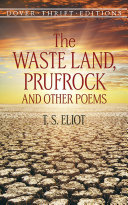
The Waste Land
The Waste Land by T.S. Eliot (1922)
"April is the cruelest month." The most important poem of the 20th century — a fragmented, allusive, devastating portrait of post-World War I civilization in ruins. 434 lines that changed literature forever.
Historical Significance:
T.S. Eliot, a 33-year-old American expatriate working as a bank clerk in London, published The Waste Land in October 1922 — the same year as Joyce's Ulysses and Woolf's Jacob's Room, making 1922 the annus mirabilis of modernism. Eliot's original manuscript was twice as long; Ezra Pound edited it down with ruthless brilliance, earning Eliot's dedication: "il miglior fabbro" (the better craftsman).
The poem draws on the Grail legend, Dante, Shakespeare, the Upanishads, music hall songs, and overheard pub conversations, weaving them into a tapestry of cultural collapse. Its famous opening — "April is the cruelest month, breeding / Lilacs out of the dead land" — inverts Chaucer's joyful spring opening in The Canterbury Tales, signaling that the old literary certainties are dead.
Eliot won the Nobel Prize for Literature in 1948, with the committee specifically citing The Waste Land. The poem has generated more scholarly commentary than any other 20th-century literary work. It made difficulty itself a literary value and established the template for modernist poetry. Every subsequent poet has had to reckon with it.
This public domain classic was originally published in 1922. Free to read and share.
Free
eBook
FREE
The Great God Pan
The Great God Pan by Arthur Machen (1894)
A scientist performs brain surgery on a young woman to allow her to "see" the god Pan — the primal force behind reality. The experiment unleashes something terrible into Victorian London. Stephen King called it "maybe the best horror story in the English language."
Historical Significance:
Arthur Machen, a Welsh journalist and mystic, published The Great God Pan in 1894 to mixed reviews — one critic called it "an incoherent nightmare of sex and the supernatural." But the novella's influence on horror fiction has been immeasurable. H.P. Lovecraft cited Machen as a primary inspiration for his cosmic horror — the idea that reality conceals something ancient, vast, and terrifying. The story's structure — told through fragments, documents, and multiple perspectives — anticipated Lovecraft's technique. Guillermo del Toro has called Machen one of his favorite authors. The novella experienced a major revival after Stephen King's endorsement and is now recognized as a foundational text of modern horror.
This public domain classic was originally published in 1894. Free to read and share.
Free
eBook
FREE
The Last Man
The Last Man by Mary Shelley (1826)
A devastating plague sweeps across the world in the late 21st century, reducing humanity to a single survivor who wanders the empty ruins of civilization. The first apocalyptic novel — by the author of Frankenstein.
Historical Significance:
Mary Shelley published The Last Man in 1826, eight years after Frankenstein and four years after her husband Percy Bysshe Shelley's death by drowning. The novel is deeply personal — its characters are thinly veiled portraits of Percy Shelley, Lord Byron, and their circle, and the plague that destroys the world mirrors the deaths that devastated Mary's own life (she lost her husband, three of her four children, and several close friends in quick succession).
The novel was savaged by critics and largely forgotten for 150 years. Its rediscovery in the 1960s revealed it as astonishingly prophetic — the first novel to imagine a global pandemic destroying civilization, predating every subsequent apocalyptic narrative from The Stand to The Road to Station Eleven. It is now recognized as Mary Shelley's second masterpiece and the founding text of apocalyptic fiction.
This public domain classic was originally published in 1826. Free to read and share.
Free
eBook
FREE
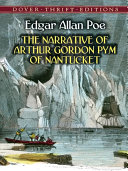
The Narrative of Arthur Gordon Pym of Nantucket
The Narrative of Arthur Gordon Pym of Nantucket by Edgar Allan Poe (1838)
Poe's only complete novel. A young man stows away on a whaling ship and encounters mutiny, shipwreck, cannibalism, and increasingly bizarre discoveries as the voyage presses deeper into the Antarctic — culminating in one of literature's most mysterious and debated endings.
Historical Significance:
Published in 1838, Arthur Gordon Pym was Poe's attempt to write a longer work that would bring him the financial success his short stories had not. The novel failed commercially, and Poe dismissed it as "a very silly book." But its influence has been extraordinary: Jules Verne wrote a sequel (An Antarctic Mystery, 1897), Herman Melville drew on it for Moby-Dick, H.P. Lovecraft incorporated its Antarctic imagery into At the Mountains of Madness, and Jorge Luis Borges was obsessed with its enigmatic final pages. The novel's abrupt, hallucinatory ending — a vast white figure rises from the Antarctic sea — has generated 180 years of interpretation and remains one of literature's great unsolved mysteries.
This public domain classic was originally published in 1838. Free to read and share.
Free
eBook
FREE
An Occurrence at Owl Creek Bridge and Other Stories
An Occurrence at Owl Creek Bridge and Other Stories by Ambrose Bierce (1891)
A Confederate sympathizer stands on a bridge with a noose around his neck, about to be hanged by Union soldiers. The rope breaks, he plunges into the creek, escapes — or does he? The most anthologized American short story and one of literature's greatest twist endings.
Historical Significance:
Ambrose Bierce, a Civil War veteran who fought at Shiloh, published "An Occurrence at Owl Creek Bridge" in 1890. Its devastating final twist — which redefines everything the reader has just experienced — is the ancestor of every surprise ending in literature and film, from O. Henry to The Sixth Sense. Bierce's war stories, drawn from firsthand combat experience, are among the most realistic and psychologically acute in American literature. His collection also includes "Chickamauga" and "The Eyes of the Panther." Bierce disappeared into revolutionary Mexico in 1913 and was never seen again — one of literature's enduring mysteries.
This public domain classic was originally published in 1891. Free to read and share.
Free
eBook
FREE
Herland
Herland by Charlotte Perkins Gilman (1915)
Three male explorers discover a hidden country inhabited entirely by women who reproduce through parthenogenesis. The men's assumptions about gender are systematically demolished. A feminist utopia by the author of "The Yellow Wallpaper."
Historical Significance:
Charlotte Perkins Gilman serialized Herland in her own magazine, The Forerunner, in 1915. It was not published as a book until 1979, when feminist scholars rediscovered it. The novel uses the "lost world" adventure format to expose the absurdity of patriarchal assumptions: the male explorers expect the women to be helpless, irrational, and in need of male guidance, and are baffled when they find an advanced, peaceful, ecologically sustainable civilization that functions perfectly without men. Gilman's satire is sharp but good-humored — the men are not villains but products of their conditioning. The novel anticipates contemporary discussions about gender essentialism, reproductive rights, and environmental sustainability by a century.
This public domain classic was originally published in 1915. Free to read and share.
Free
eBook
FREE
The Phantom Rickshaw and Other Tales
The Phantom Rickshaw and Other Tales by Rudyard Kipling (1888)
Ghost stories set in British India — a dead woman's spectral rickshaw haunts her faithless lover through the streets of Simla, a man is driven mad by his doppelgänger, and a child builds a terrifying "city of the dead." Kipling's early masterpieces of supernatural horror.
Historical Significance:
Kipling published these stories in 1888 when he was just 22 years old, working as a journalist in Lahore and Allahabad. "The Phantom Rickshaw" is considered one of the finest ghost stories in English — the lover who cannot escape his dead mistress's accusing presence even in broad daylight on a crowded street. "The Strange Ride of Morrowbie Jukes" — about a man trapped in a colony of the living dead — prefigures Kafka and the Theater of the Absurd. These early Indian stories show Kipling at his most psychologically complex, before the imperial confidence of his later work. They demonstrate that the master of adventure fiction was equally a master of horror.
This public domain classic was originally published in 1888. Free to read and share.
Free
eBook
FREE
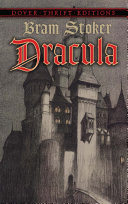
Dracula
Dracula by Bram Stoker (1897)
The novel that created the modern vampire myth and launched an entire genre of horror fiction. Count Dracula is one of the most recognizable characters in world literature.
Historical Significance:
Bram Stoker, an Irish author and theater manager, spent seven years researching and writing Dracula. He drew inspiration from Eastern European folklore, the historical Vlad the Impaler (Vlad III Dracula of Wallachia), and Emily Gerard's 1885 essay "Transylvanian Superstitions." Stoker never visited Transylvania — he researched it entirely through books at the British Museum.
Published on May 26, 1897, by Archibald Constable and Company, the novel was well-received but not an immediate bestseller. Its epistolary format (told through diary entries, letters, newspaper clippings, and ship logs) was innovative for the time and created an atmosphere of mounting dread.
The character of Count Dracula — aristocratic, seductive, ancient, and terrifying — was partly inspired by Stoker's employer, the actor Sir Henry Irving, whose commanding stage presence and domineering personality fascinated Stoker for decades.
Cultural Impact:
Dracula has been adapted into more films than any other novel in history — over 200 and counting. Bela Lugosi's 1931 portrayal established the cape-and-accent image. The novel created the template for virtually all vampire fiction that followed, from Anne Rice to Twilight to Castlevania. Transylvania tourism exists largely because of this book. The word "Dracula" is recognized in virtually every language on Earth.
This public domain classic was originally published in 1897. Free to read and share.
Free
eBook
FREE
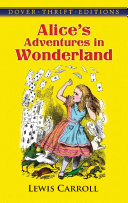
Alice's Adventures in Wonderland
Alice's Adventures in Wonderland by Lewis Carroll (1865)
One of the most beloved and influential children's books ever written, Alice's Adventures in Wonderland began as a story told by Charles Lutwidge Dodgson (pen name Lewis Carroll) to Alice Liddell and her sisters during a boat trip on the Thames on July 4, 1862.
Historical Significance:
Carroll, a mathematics lecturer at Christ Church, Oxford, wrote the story down at Alice Liddell's request and presented her with a handwritten manuscript titled "Alice's Adventures Under Ground" in November 1864. Encouraged by friends including George MacDonald (whose children loved the story), Carroll expanded and published it with John Tenniel's iconic illustrations in 1865.
The book broke every rule of Victorian children's literature. Where other children's books were moralistic and instructional, Alice was pure nonsense — playful, subversive, and wildly imaginative. The Cheshire Cat, the Mad Hatter's Tea Party, the Queen of Hearts — Carroll created characters that have become permanent fixtures of world culture.
Carroll was also a pioneering photographer, logician, and mathematician. Many scholars believe the book's wordplay and logic puzzles reflect his mathematical mind, with hidden references to non-Euclidean geometry and abstract algebra.
Cultural Impact:
Alice has been translated into at least 174 languages (more than any other novel). It has inspired Disney's animated classic (1951), Tim Burton's films, video games, fashion, art, and an entire literary genre of "nonsense literature." The phrase "down the rabbit hole" has entered everyday English. Scientists have named mathematical concepts, psychological conditions (Alice in Wonderland syndrome), and even a quantum physics phenomenon after the book.
This public domain classic was originally published in 1865. Free to read and share.
Free
eBook
FREE
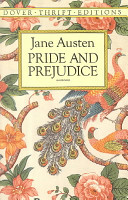
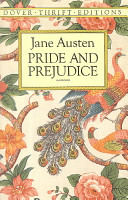
Pride and Prejudice
Pride and Prejudice by Jane Austen (1813)
"It is a truth universally acknowledged, that a single man in possession of a good fortune, must be in want of a wife." — one of the most famous opening lines in all of literature.
Historical Significance:
Jane Austen completed this novel in 1797 under the title "First Impressions," but it was rejected by the publisher Thomas Cadell. She revised it extensively before it was finally published by Thomas Egerton on January 28, 1813. Austen sold the copyright for just £110 (roughly £10,000 today).
The novel was an immediate success, with its first edition selling out within months. It offers a razor-sharp social commentary on class, marriage, and morality in Regency-era England, wrapped in one of literature's greatest love stories between Elizabeth Bennet and Fitzwilliam Darcy.
Austen wrote during the Napoleonic Wars, yet her novels deliberately focus on the domestic world — "the little bit (two Inches wide) of Ivory on which I work," as she described it. This deliberate narrowing of scope allowed her to examine human nature with microscopic precision.
Cultural Impact:
Pride and Prejudice has never gone out of print in over 200 years. It has been translated into every major language, adapted into dozens of films and TV series (the 1995 BBC adaptation with Colin Firth being perhaps the most beloved), and inspired countless modern retellings including Bridget Jones's Diary. It consistently appears on "greatest novels ever written" lists and sells over 800,000 copies annually.
This public domain classic was originally published in 1813. Free to read and share.
Free

eBook
FREE
The Great Gatsby
The Great Gatsby by F. Scott Fitzgerald (1925)
The defining novel of the Jazz Age and the American Dream, The Great Gatsby entered the public domain on January 1, 2021, becoming one of the most downloaded books in history overnight.
Historical Significance:
Fitzgerald wrote the novel in 1924 while living on the French Riviera, drawing on his experiences among the wealthy elite of Long Island's North Shore. Published by Scribner's on April 10, 1925, it was a commercial disappointment during Fitzgerald's lifetime, selling fewer than 20,000 copies before his death in 1940 at age 44.
The novel's resurrection began during World War II, when the U.S. government distributed 155,000 copies to soldiers overseas as part of the Armed Services Editions. Soldiers brought it home, teachers began assigning it, and by the 1960s it had become the most taught novel in American high schools — a position it still holds today.
Set in the summer of 1922, the novel follows narrator Nick Carraway's encounter with the mysterious millionaire Jay Gatsby, whose obsessive pursuit of the beautiful Daisy Buchanan serves as a meditation on wealth, class, love, and the corruption of the American Dream.
Cultural Impact:
The Great Gatsby now sells over 500,000 copies annually and has been adapted into five feature films, including Baz Luhrmann's 2013 version starring Leonardo DiCaprio. The green light at the end of Daisy's dock has become one of American literature's most enduring symbols. Fitzgerald's prose style — lyrical, precise, and devastating — influenced generations of writers.
This public domain classic was originally published in 1925. Free to read and share.
Free
eBook
FREE
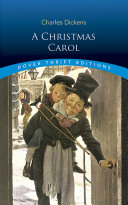
A Christmas Carol
A Christmas Carol in Prose, Being a Ghost-Story of Christmas by Charles Dickens (1843)
The story that saved Christmas. Ebenezer Scrooge, the Ghosts of Christmas Past, Present, and Yet to Come, and Tiny Tim — Dickens created the modern Christmas in a single novella.
Historical Significance:
Dickens wrote A Christmas Carol in just six weeks during October and November 1843, driven by financial pressures and outrage over child labor conditions he had witnessed in Manchester. He self-published it on December 19, 1843, and the entire first edition of 6,000 copies sold out by Christmas Eve.
Before A Christmas Carol, Christmas was a relatively minor holiday in England and America. Church attendance was declining, the Puritan prohibition of Christmas celebrations still lingered, and there were no established secular traditions. Dickens almost single-handedly transformed Christmas into the family-centered celebration of generosity we know today.
The novella was a direct response to a government report on child labor that horrified Dickens. Instead of writing a political pamphlet, he "resolved to strike a sledge hammer blow" through fiction. Scrooge's transformation from miser to generous benefactor was Dickens' argument that individual moral change could transform society.
Cultural Impact:
A Christmas Carol has never been out of print and has been adapted more than any other work of fiction — over 135 films, TV specials, stage productions, and musical adaptations. "Scrooge," "Bah, humbug!," and "God bless us, every one!" are embedded in the English language. The story is credited with reviving charitable giving and family celebrations as core Christmas values.
This public domain classic was originally published in 1843. Free to read and share.
Free
eBook
FREE
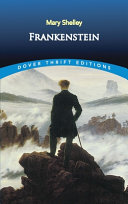
Frankenstein
Frankenstein; or, The Modern Prometheus by Mary Wollstonecraft Shelley (1818)
The most downloaded book on Project Gutenberg and one of the most influential novels ever written. Mary Shelley conceived this masterpiece at age 18 during the famous ghost story contest at the Villa Diodati on Lake Geneva in the summer of 1816, alongside Lord Byron and Percy Bysshe Shelley.
Historical Significance:
Frankenstein is widely considered the first true science fiction novel, predating the genre by decades. It was born from the "Year Without a Summer" (1816), when the eruption of Mount Tambora in Indonesia caused global climate disruption, trapping Shelley's literary circle indoors with nothing to do but tell ghost stories.
The novel explores themes that remain urgently relevant: the ethics of scientific creation, the responsibility of creators to their creations, the dangers of unchecked ambition, and the nature of humanity itself. Victor Frankenstein's unnamed creature — often mistakenly called "Frankenstein" — is one of literature's most tragic figures, rejected by his creator and society alike.
The 1818 first edition was published anonymously; many assumed Percy Shelley had written it. The 1831 revised edition, with Mary Shelley's name, is the version most commonly read today. This edition preserves the original 1818 text.
Cultural Impact:
The novel has been adapted into over 100 films, countless stage productions, and has become a cornerstone of Gothic literature. The word "Frankenstein" has entered everyday language as a metaphor for any creation that turns against its creator. It remains required reading in universities worldwide and consistently ranks among the top 10 most-read classic novels.
This public domain classic was originally published in 1818. Free to read and share.
Free
eBook
FREE
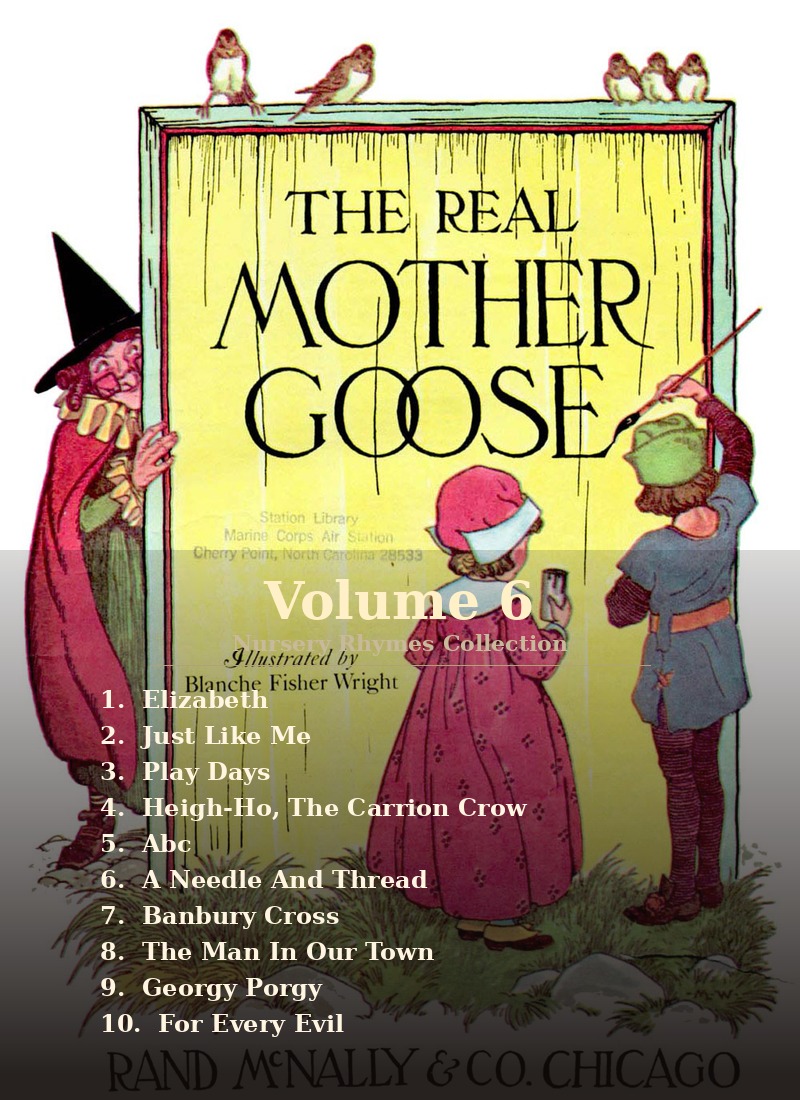
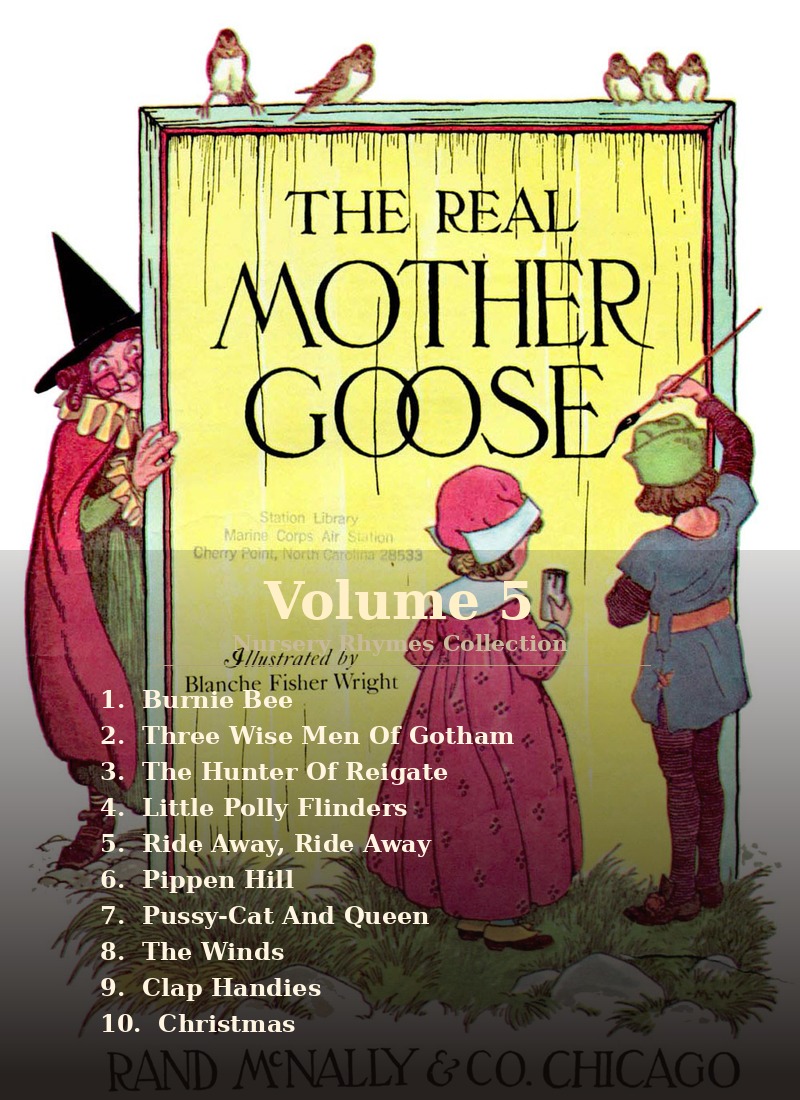
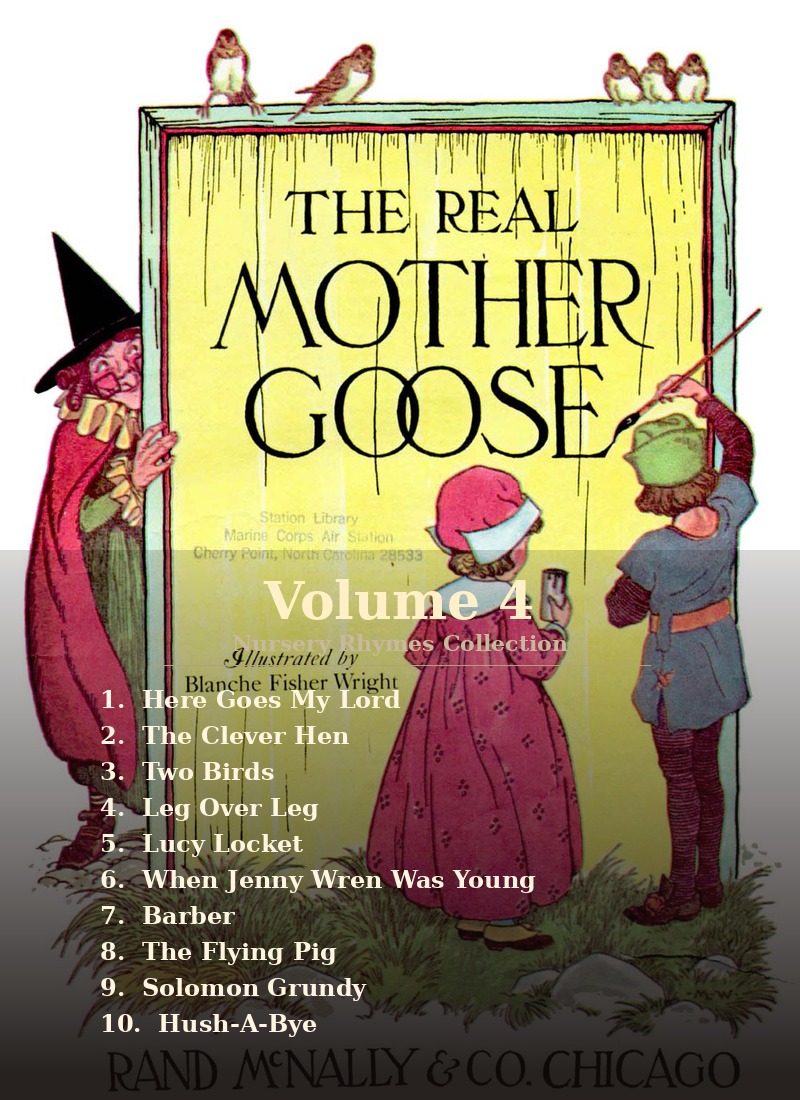
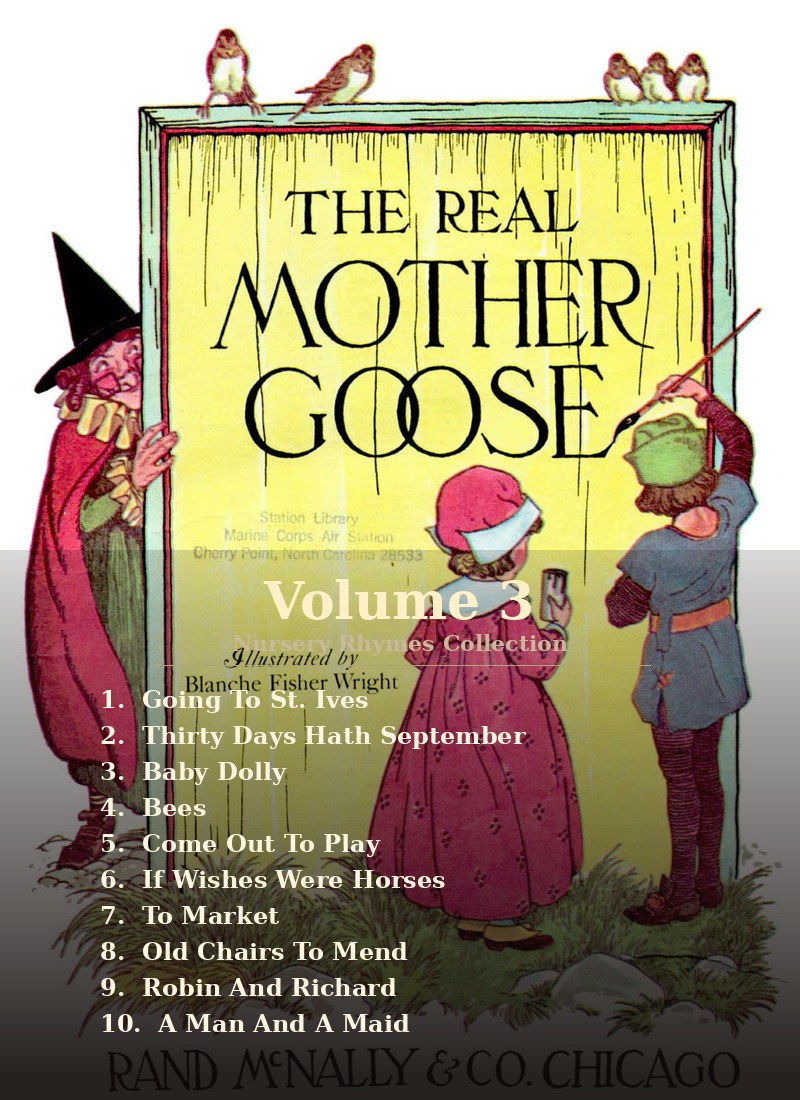
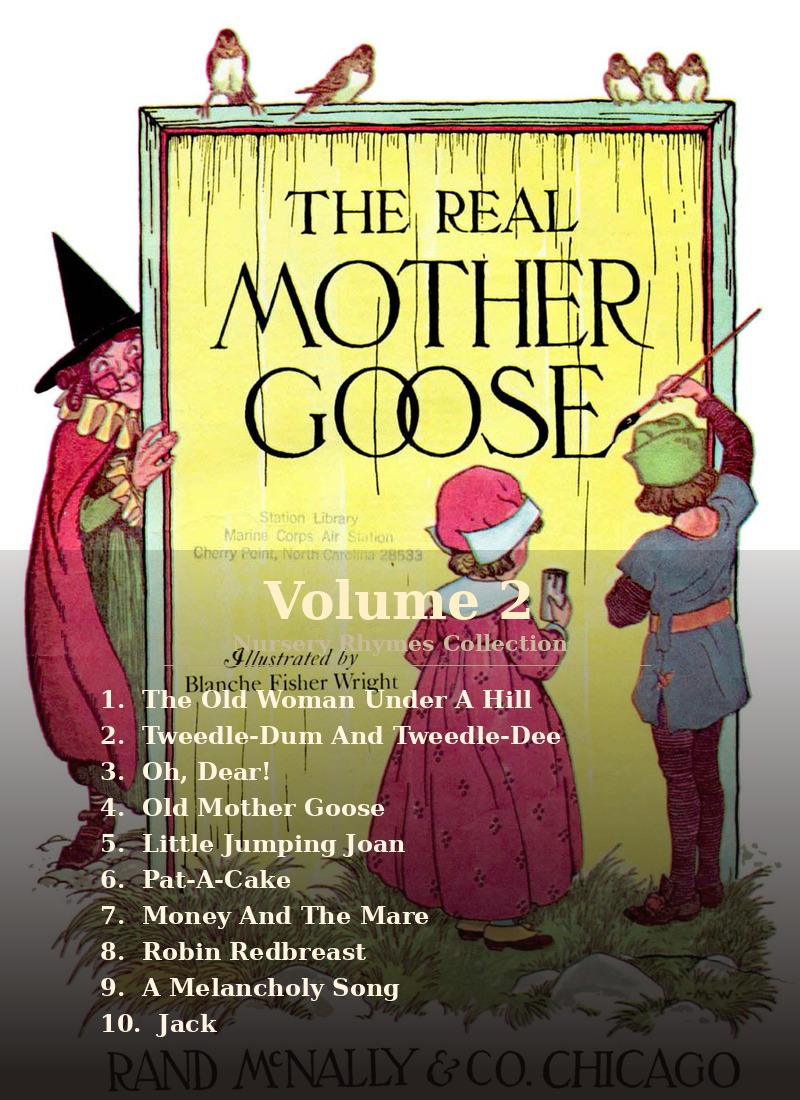
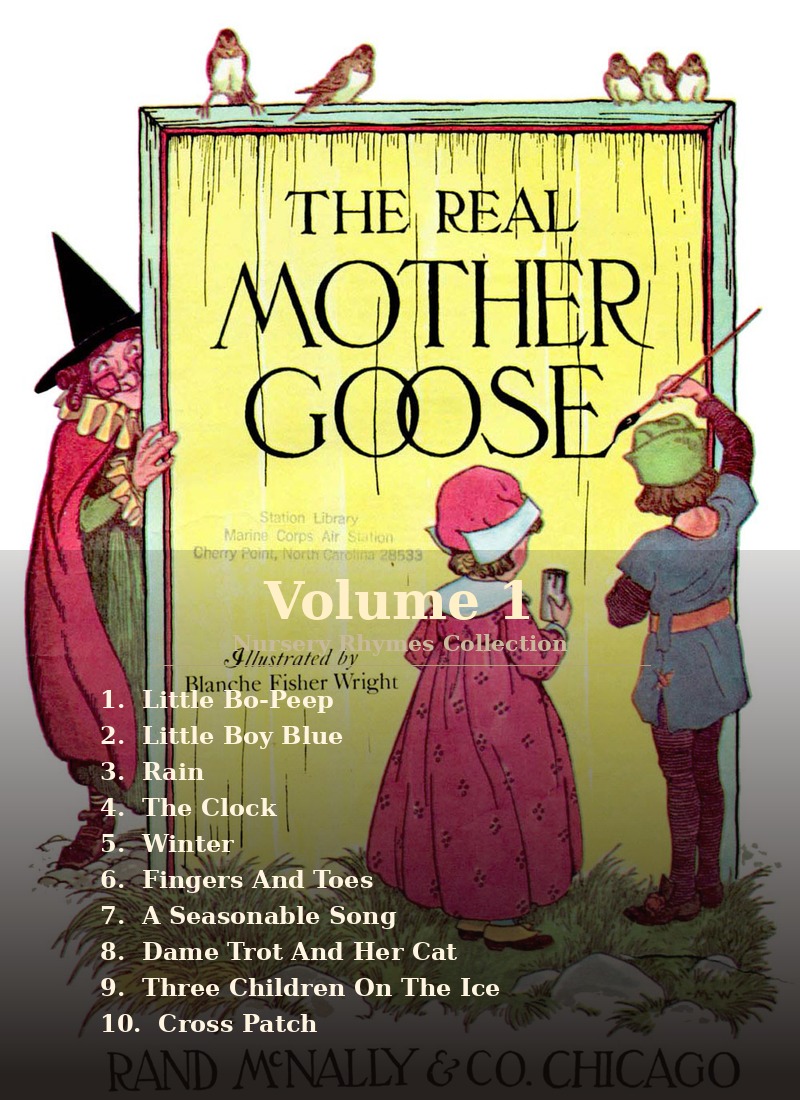
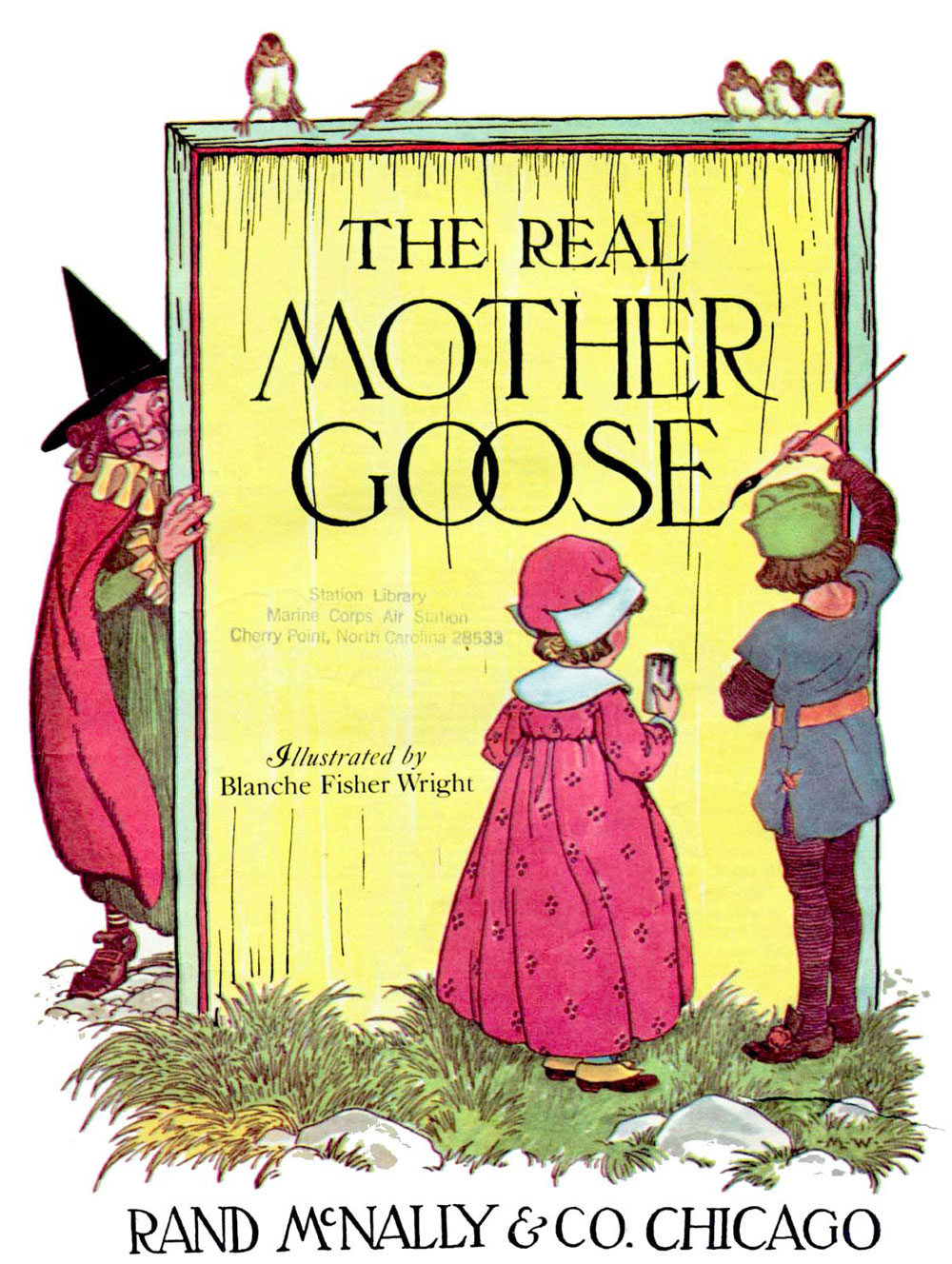
The Complete Real Mother Goose: 301 Nursery Rhymes
The Complete Real Mother Goose: 301 Classic Nursery Rhymes
A comprehensive collection of every nursery rhyme from Blanche Fisher Wright's beloved 1916 edition of The Real Mother Goose, one of the most iconic nursery rhyme collections ever published.
This complete compilation contains 301 rhymes organized into 30 chapters, featuring timeless favorites that have been passed down through generations:
Little Bo-Peep, Little Boy Blue, Humpty Dumpty, Jack and Jill, Mary Mary Quite Contrary, Baa Baa Black Sheep, Jack Sprat, Old King Cole, Three Blind Mice, Hey Diddle Diddle, Sing a Song of Sixpence, London Bridge, Twinkle Twinkle Little Star, Georgie Porgie, Wee Willie Winkie, Old Mother Hubbard, Simple Simon, Pat-a-Cake, Ring a Ring o' Roses, Rock-a-Bye Baby, and hundreds more.
Historical Origins:
Many of these rhymes have fascinating — and sometimes dark — origins stretching back centuries:
Little Bo-Peep (c.1805) — "Bo-peep" was a peek-a-boo game referenced by Shakespeare. It may also allude to the punishment pillory.
Little Boy Blue (1744) — Attributed to Cardinal Thomas Wolsey, Henry VIII's Lord Chancellor and son of an Ipswich butcher.
Humpty Dumpty — Widely believed to refer to a large cannon used by Royalist forces during the English Civil War siege of Colchester in 1648.
Jack and Jill — May reference King Louis XVI ("Jack") and Marie Antoinette ("Jill") of France, or an earlier Scandinavian myth about children fetching water from the moon.
Mary Mary Quite Contrary — Popularly linked to Bloody Mary (Mary I of England), with the "garden" representing graveyards and "silver bells" and "cockle shells" being instruments of torture.
Ring a Ring o' Roses — Long claimed to describe the Great Plague of London (1665), though scholars debate this interpretation.
Baa Baa Black Sheep — May reference medieval English wool taxes under King Edward I, where the wool was split three ways: one-third to the king, one-third to the church, and one-third to the farmer.
Old King Cole — Possibly refers to a 3rd-century Celtic king, Coel Hen, ruler of Roman Britain, known as "Old King Cole" in Welsh tradition.
London Bridge Is Falling Down — References the many collapses and rebuildings of London Bridge since Roman times. Some historians connect it to a Viking attack in 1014.
Rock-a-Bye Baby — Possibly written about the son of King James II, whose legitimacy was questioned. The "wind" may represent the Protestant political forces that would topple the Stuart dynasty.
About This Edition:
This public domain classic was originally published by Rand McNally & Company in 1916. The text and illustrations by Blanche Fisher Wright are in the public domain and free to read, share, and enjoy. This digital edition preserves the complete original text with all 301 rhymes.
Free
No classics match your filters.