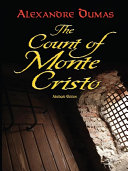
The Count of Monte Cristo
Credits and rights
- Original writer
- Alexandre Dumas
- Publisher of this edition
- BoingyBooks Classics
- Original publisher
- Project Gutenberg
- Adaptation credits
- John Shoufler / BoingyBooks Classics — digital edition
- Original source / edition
- The Count of Monte Cristo
- License
- Public Domain
- Rights and adaptation notice
- This work is in the public domain. John Shoufler published this digital edition through BoingyBooks Classics. The original work remains public domain and may be copied, adapted, and shared.
The Count of Monte Cristo by Alexandre Dumas (1844-1846)
The ultimate revenge story. A young sailor is wrongfully imprisoned for 14 years, escapes, discovers a vast treasure, and reinvents himself as the mysterious Count of Monte Cristo to exact elaborate vengeance on those who destroyed his life.
Historical Significance:
Alexandre Dumas published The Count of Monte Cristo as a serial in the Journal des Débats from August 1844 to January 1846. Serialization was the Netflix of the 19th century — readers waited eagerly for each installment, and Dumas was paid by the line, which partly explains the novel's epic length.
The story was inspired by a real case Dumas found in the police archives: François Picaud, a shoemaker who was falsely imprisoned for seven years by jealous friends, inherited a fortune from a fellow prisoner, and spent ten years pursuing revenge. Dumas transformed this into one of the most intricate and satisfying plots in all of fiction.
Dumas was the grandson of a Haitian slave — his father, General Thomas-Alexandre Dumas, was the highest-ranking person of color in any European army. The themes of injustice, identity, and the corrupting power of wealth in Monte Cristo may partly reflect Dumas' own experience of racial prejudice in French society.
Cultural Impact:
The Count of Monte Cristo has been adapted into over 40 films, TV series, and anime. It remains one of the most popular novels ever written, selling millions of copies annually. The phrase "Edmond Dantès" is a cultural shorthand for wrongful imprisonment. The novel's structure — patient, meticulous revenge served over years — has influenced everything from Batman to The Shawshank Redemption to Kill Bill.
This public domain classic was originally published in 1844. Free to read and share.
Read the first chapter free — experience the full reader
Create a free account to read this book and 232+ more classics
What's Included
- Reflowable text that adapts to any screen
- Adjustable font size with pinch-to-zoom
- Light, Sepia, and Dark reading themes
- Serif/sans-serif font toggle
- Chapter navigation with swipe & keyboard
- Highlight text in 4 colors
- Add notes to highlighted passages
- Text-to-speech — listen to any chapter
- Remembers your reading position
- Download the complete edition for reading offline
- Works on all devices