New eBooks
0 booksNo eBooks Yet
Be the first to publish an eBook on BoingyBooks!
🎓 Your Free Digital Library Awaits
Access 232+ classic ebooks — from Shakespeare to Sherlock Holmes. Read on any device, save your progress, build your library.
Create Free Account →Classic Literature
26 free classicsTimeless works from the public domain, beautifully formatted for the BoingyBooks reader.
eBook
FREE
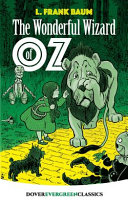
The Wonderful Wizard of Oz
The Wonderful Wizard of Oz by L. Frank Baum (1900)
Dorothy, Toto, the Scarecrow, the Tin Woodman, the Cowardly Lion, and the Emerald City — the first great American fairy tale, written to be distinctly American rather than European in spirit.
Historical Significance:
L. Frank Baum published The Wonderful Wizard of Oz on May 17, 1900, with illustrations by W.W. Denslow. In his introduction, Baum declared his intention to create "a modernized fairy tale, in which the wonderment and joy are retained and the heartaches and nightmares are left out." He wanted an American fairy tale, free from the darkness of Grimm and Andersen.
The book was an enormous success, becoming the bestselling children's book of 1900 and 1901. Baum went on to write 13 more Oz books, creating one of literature's richest fictional worlds. Some scholars interpret the story as a political allegory of 1890s populism — the Yellow Brick Road representing the gold standard, the silver slippers (ruby in the film) representing silver currency, and the Emerald City representing the deceptive greenback dollar.
Baum was a fascinating figure: a failed chicken farmer, newspaper editor, traveling salesman, and window dresser before becoming an author at age 44.
Cultural Impact:
The 1939 MGM film starring Judy Garland is the most-watched film in history. "There's no place like home," "We're not in Kansas anymore," and "Follow the Yellow Brick Road" are among the most quoted lines in cinema. The Wicked Witch of the West is one of fiction's greatest villains. Gregory Maguire's Wicked (1995) and its Broadway musical reimagined the story from the witch's perspective, becoming a cultural phenomenon.
This public domain classic was originally published in 1900. Free to read and share.
Free
eBook
FREE
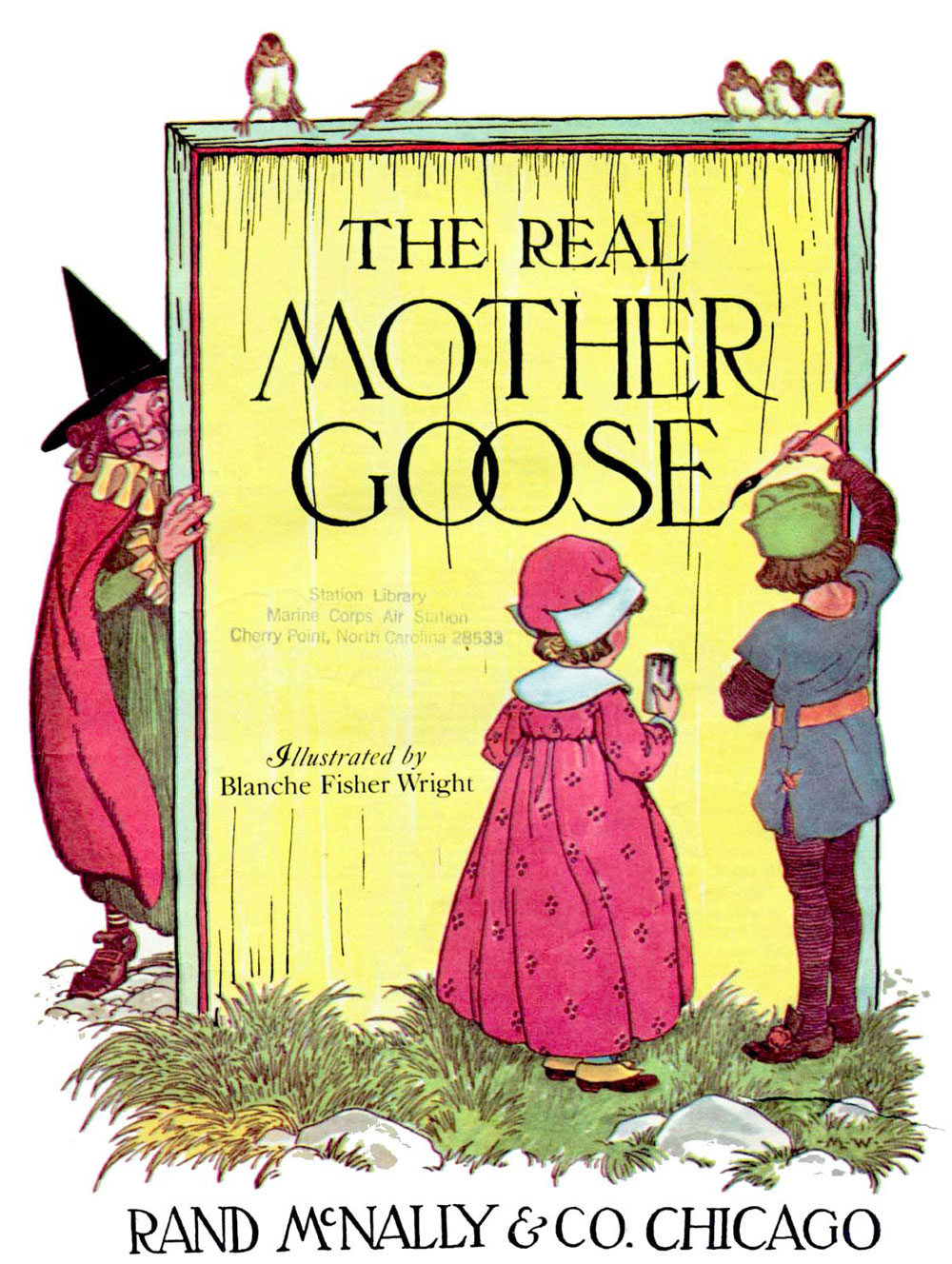
The Complete Real Mother Goose: 301 Nursery Rhymes
The Complete Real Mother Goose: 301 Classic Nursery Rhymes
A comprehensive collection of every nursery rhyme from Blanche Fisher Wright's beloved 1916 edition of The Real Mother Goose, one of the most iconic nursery rhyme collections ever published.
This complete compilation contains 301 rhymes organized into 30 chapters, featuring timeless favorites that have been passed down through generations:
Little Bo-Peep, Little Boy Blue, Humpty Dumpty, Jack and Jill, Mary Mary Quite Contrary, Baa Baa Black Sheep, Jack Sprat, Old King Cole, Three Blind Mice, Hey Diddle Diddle, Sing a Song of Sixpence, London Bridge, Twinkle Twinkle Little Star, Georgie Porgie, Wee Willie Winkie, Old Mother Hubbard, Simple Simon, Pat-a-Cake, Ring a Ring o' Roses, Rock-a-Bye Baby, and hundreds more.
Historical Origins:
Many of these rhymes have fascinating — and sometimes dark — origins stretching back centuries:
Little Bo-Peep (c.1805) — "Bo-peep" was a peek-a-boo game referenced by Shakespeare. It may also allude to the punishment pillory.
Little Boy Blue (1744) — Attributed to Cardinal Thomas Wolsey, Henry VIII's Lord Chancellor and son of an Ipswich butcher.
Humpty Dumpty — Widely believed to refer to a large cannon used by Royalist forces during the English Civil War siege of Colchester in 1648.
Jack and Jill — May reference King Louis XVI ("Jack") and Marie Antoinette ("Jill") of France, or an earlier Scandinavian myth about children fetching water from the moon.
Mary Mary Quite Contrary — Popularly linked to Bloody Mary (Mary I of England), with the "garden" representing graveyards and "silver bells" and "cockle shells" being instruments of torture.
Ring a Ring o' Roses — Long claimed to describe the Great Plague of London (1665), though scholars debate this interpretation.
Baa Baa Black Sheep — May reference medieval English wool taxes under King Edward I, where the wool was split three ways: one-third to the king, one-third to the church, and one-third to the farmer.
Old King Cole — Possibly refers to a 3rd-century Celtic king, Coel Hen, ruler of Roman Britain, known as "Old King Cole" in Welsh tradition.
London Bridge Is Falling Down — References the many collapses and rebuildings of London Bridge since Roman times. Some historians connect it to a Viking attack in 1014.
Rock-a-Bye Baby — Possibly written about the son of King James II, whose legitimacy was questioned. The "wind" may represent the Protestant political forces that would topple the Stuart dynasty.
About This Edition:
This public domain classic was originally published by Rand McNally & Company in 1916. The text and illustrations by Blanche Fisher Wright are in the public domain and free to read, share, and enjoy. This digital edition preserves the complete original text with all 301 rhymes.
Free
No classics match your filters.