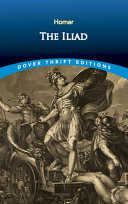
The Iliad
Credits and rights
- Original writer
- Homer (c
- Publisher of this edition
- BoingyBooks Classics
- Original publisher
- Project Gutenberg
- Adaptation credits
- John Shoufler / BoingyBooks Classics — digital edition
- Original source / edition
- The Iliad
- License
- Public Domain
- Rights and adaptation notice
- This work is in the public domain. John Shoufler published this digital edition through BoingyBooks Classics. The original work remains public domain and may be copied, adapted, and shared.
The Iliad by Homer (c. 8th century BC)
The rage of Achilles and the fall of Troy. The greatest war epic ever written — a poem about the wrath of a demigod warrior that explores honor, mortality, grief, and the terrible beauty of combat. The fountainhead of Western literature.
Historical Significance:
The Iliad covers just 52 days during the tenth year of the Trojan War, focusing on the conflict between Achilles and King Agamemnon. Archaeological excavations at Hisarlik (modern Turkey) by Heinrich Schliemann in the 1870s confirmed that Troy was a real city, lending historical weight to Homer's epic.
The poem was the primary educational text of ancient Greece — every educated Greek knew it by heart. Alexander the Great slept with a copy under his pillow and modeled himself on Achilles. The concepts of heroism, honor, fate, and the futility of war that Homer explored have shaped Western civilization's understanding of conflict for three millennia.
This public domain classic was originally composed c. 8th century BC. Free to read and share.
Read the first chapter free — experience the full reader
Create a free account to read this book and 232+ more classics
What's Included
- Reflowable text that adapts to any screen
- Adjustable font size with pinch-to-zoom
- Light, Sepia, and Dark reading themes
- Serif/sans-serif font toggle
- Chapter navigation with swipe & keyboard
- Highlight text in 4 colors
- Add notes to highlighted passages
- Text-to-speech — listen to any chapter
- Remembers your reading position
- Download the complete edition for reading offline
- Works on all devices