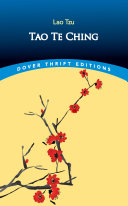
Tao Te Ching
Credits and rights
- Original writer
- Lao Tzu (c
- Publisher of this edition
- BoingyBooks Classics
- Original publisher
- Project Gutenberg
- Adaptation credits
- John Shoufler / BoingyBooks Classics — digital edition
- Original source / edition
- Tao Te Ching
- License
- Public Domain
- Rights and adaptation notice
- This work is in the public domain. John Shoufler published this digital edition through BoingyBooks Classics. The original work remains public domain and may be copied, adapted, and shared.
Tao Te Ching by Lao Tzu (c. 4th century BC)
"The Tao that can be told is not the eternal Tao." Eighty-one short, enigmatic verses on the nature of existence, leadership, and living in harmony with the universe. The foundational text of Taoism and one of the most translated books in human history.
Historical Significance:
Attributed to Lao Tzu ("Old Master"), a semi-legendary Chinese philosopher who may have lived in the 6th or 4th century BC, the Tao Te Ching is the second most translated book in the world after the Bible. In just 5,000 Chinese characters, it outlines a philosophy of effortless action (wu wei), humility, and alignment with nature that has influenced everything from martial arts to management theory to environmental ethics. The text's paradoxical style — "The softest thing in the universe overcomes the hardest" — continues to generate new interpretations after 2,500 years. Silicon Valley leaders, military strategists, and therapists all draw on its wisdom.
This public domain classic was originally composed c. 4th century BC. Free to read and share.
Read the first chapter free — experience the full reader
Create a free account to read this book and 232+ more classics
What's Included
- Reflowable text that adapts to any screen
- Adjustable font size with pinch-to-zoom
- Light, Sepia, and Dark reading themes
- Serif/sans-serif font toggle
- Chapter navigation with swipe & keyboard
- Highlight text in 4 colors
- Add notes to highlighted passages
- Text-to-speech — listen to any chapter
- Remembers your reading position
- Download the complete edition for reading offline
- Works on all devices